Why Runners Cramp - Sodium Balance Explained
Why Runners Cramp - Sodium Balance Explained
Why Runners Cramp - Sodium Balance Explained
Few things are more frustrating than training for months only to be sidelined by cramps mid-race. While cramps can have many causes, sodium loss is one you can actually control. Understanding the role of sodium in your body and how to maintain the right balance can help you avoid these unwelcome interruptions.
Why Do Runners Cramp?
Cramps happen when muscles fire uncontrollably. They’re most often triggered by fatigue, low sodium, or poor pacing.
- Leg cramps: Linked to sodium loss and fatigue in the calves or quads.
- Abdominal cramps: Often caused by shallow breathing or diaphragm fatigue.
- “Side stitch”: A sharp cramp near the ribs from reduced blood flow to the diaphragm.
Why Sodium Matters
Sodium keeps your body’s electrical signals firing and helps retain fluid. Lose too much in sweat (400–1,500 mg per liter), and muscles can spasm or shut down.
Spot the signs: Salt streaks on your shirt, muscle twitches, dizziness, or calf cramps.
How Much Do You Need?
Most runners need 400–800 mg sodium per hour in warm conditions. Hot races or “salty sweaters” may need more.
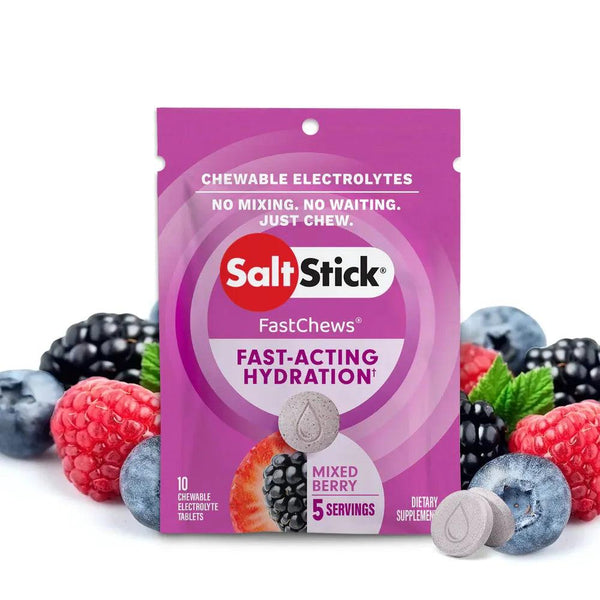
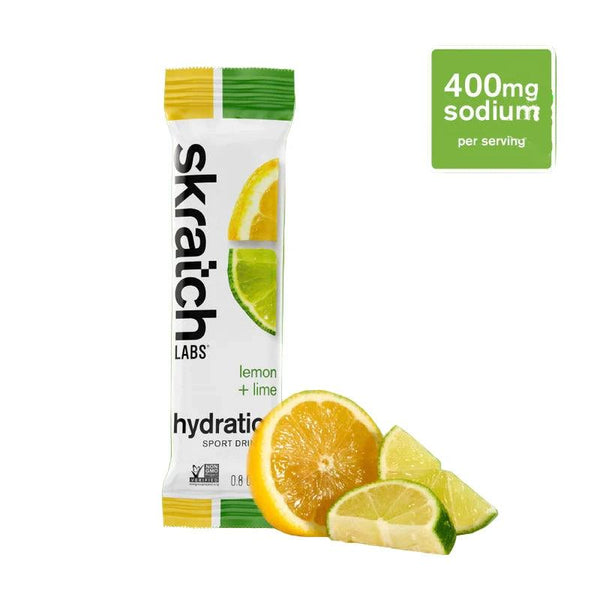
Example: A 2-hour half marathoner losing 1,000 mg/hour could use 2× SaltStick Fast Chews + a drink mix like Skratch.
Quick Fixes Mid-Race
- Slow your pace and reset your breathing pattern.
- Take electrolytes with water (not plain water alone).
- Gently stretch the cramped area while moving.
Takeaway
Cramps aren’t random — they’re a signal that your muscle and sodium balance is off. Dial in your fueling, hydration, and breathing, and you’ll stay smooth to the finish.
Product Spotlights
- SaltStick Fast Chews: Portable sodium for mid-race cramps.
- Skratch Labs Hydration Mix: Balanced sodium and carbs for longer races.
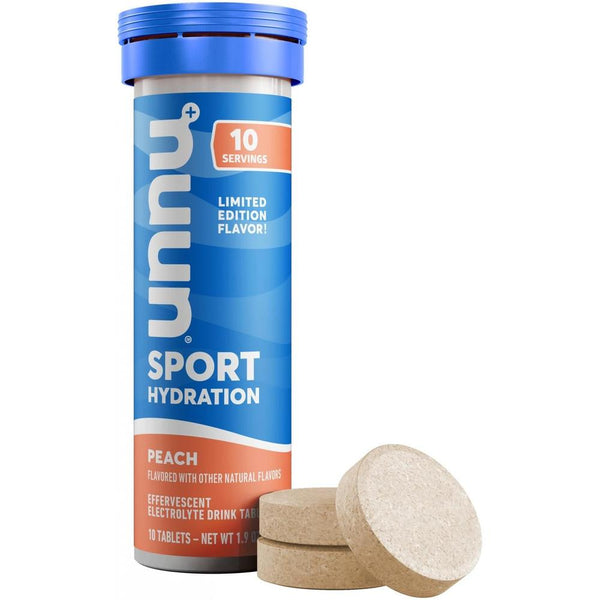
- Nuun Sport: A lighter sodium option for everyday hydration and pre-race preparation.
| Product | Sodium per Serving | Carbs | Best Use |
|---|---|---|---|
| SaltStick Fast Chews | 100 mg | 0 g | Mid-race cramps |
| Skratch Labs Hydration Mix | 380 mg | 21 g | Longer races |
| Nuun Sport | 300 mg | 1 g | Everyday hydration & pre-race |
Preventing Cramps: Strategy Guide
- Pre-race sodium preload: Use Nuun or Skratch before the race.
- During-race maintenance: Combine SaltStick with fluids.
- Practice in training runs: Test your strategy to find what works best.
Advanced Race-Day Sodium & Cramp Prevention FAQ
What if slowing down isn’t an option when I cramp mid-race?
What can I do if I cramp without sodium and can’t slow down?
How do I tell fatigue cramps from low-sodium cramps?
How early should I start sodium during a race?
Can I mix electrolyte products from different brands?
What’s a simple pre-race sodium preload?
Can breathing technique really prevent side stitches?
How can I estimate my personal sodium loss?
What should I do post-race to reset sodium balance?
Can overhydration or too much sodium cause problems?
Conclusion
Avoid common mistakes such as neglecting electrolyte balance and failing to practice your nutrition plan. Ensure you are prepared with the right products to keep cramps at bay.
“Shop Electrolytes to Prevent Race-Day Cramps” and ensure a smoother racing experience with the right sodium intake. Shop now.
---
For more personalized guidance, visit our expert fitting team at Nora Plaza, Carmel, or Fishers stores near you.